

Project Description
Our Sevillian Method: a unique taste
The fruits are treated with a soda solution for a few hours; then they undergo repeated washing to eliminate the residual soda solution; then they are immersed in brine (solution of water and sea salt) and remain to ferment for 3-4 months, when they are ready for packaging and consumption or for subsequent processing (pitting or slicing).
PACKAGES ON THE MARKET
IDEAL FOR:
The olives worked with the Sevillian method are typically the aperitif olives; they are also excellent in salads or to enrich canapés and focaccias.
The pitted and in particular the washers are used in bread making to prepare olive bread, pizza, focaccia, etc.
THE SEVILLIAN
Whole Sevillian Method Olives

The most widespread conservation method able to effectively preserve a an excellence product
AVAILABE IN: Glass Jars, Bucket, Vacuum Bag, Trays, Tins
Pitted Sevillian Method Olives
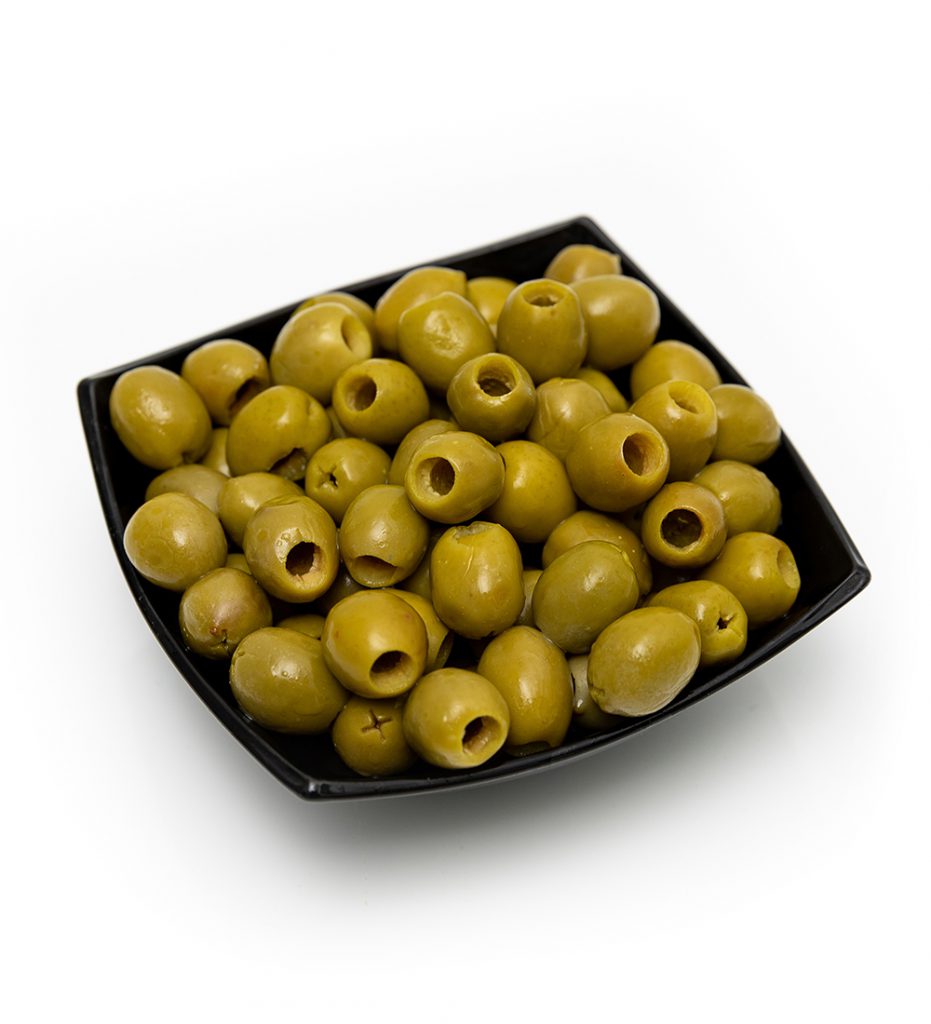
The most widespread conservation method able to effectively preserve a an excellence product
AVAILABE IN: Glass Jars, Bucket, Vacuum Bag, Trays, Tins
Sliced Sevillian Method Olives

The most widespread conservation method able to effectively preserve a an excellence product
AVAILABE IN: Glass Jars, Bucket, Vacuum Bag, Trays, Tins

Olive Verdi metodo Sivigliano
Ideali per l’aperitivo, ma anche per arricchire insalate e ricette golose.
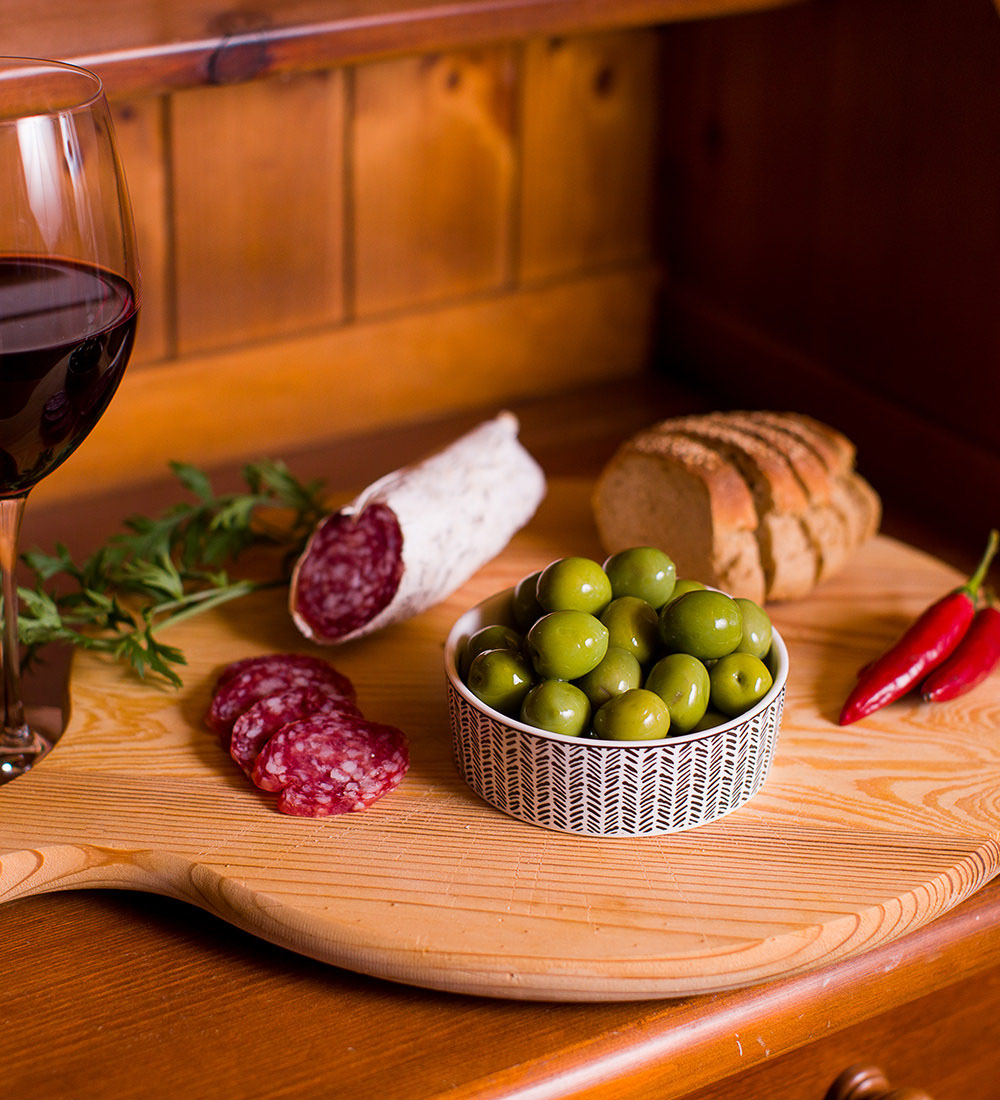
Olive Verdi metodo Castelvetrano
Eccellenti per l’aperitivo, ideali per chi ama sapori delicati e semplici
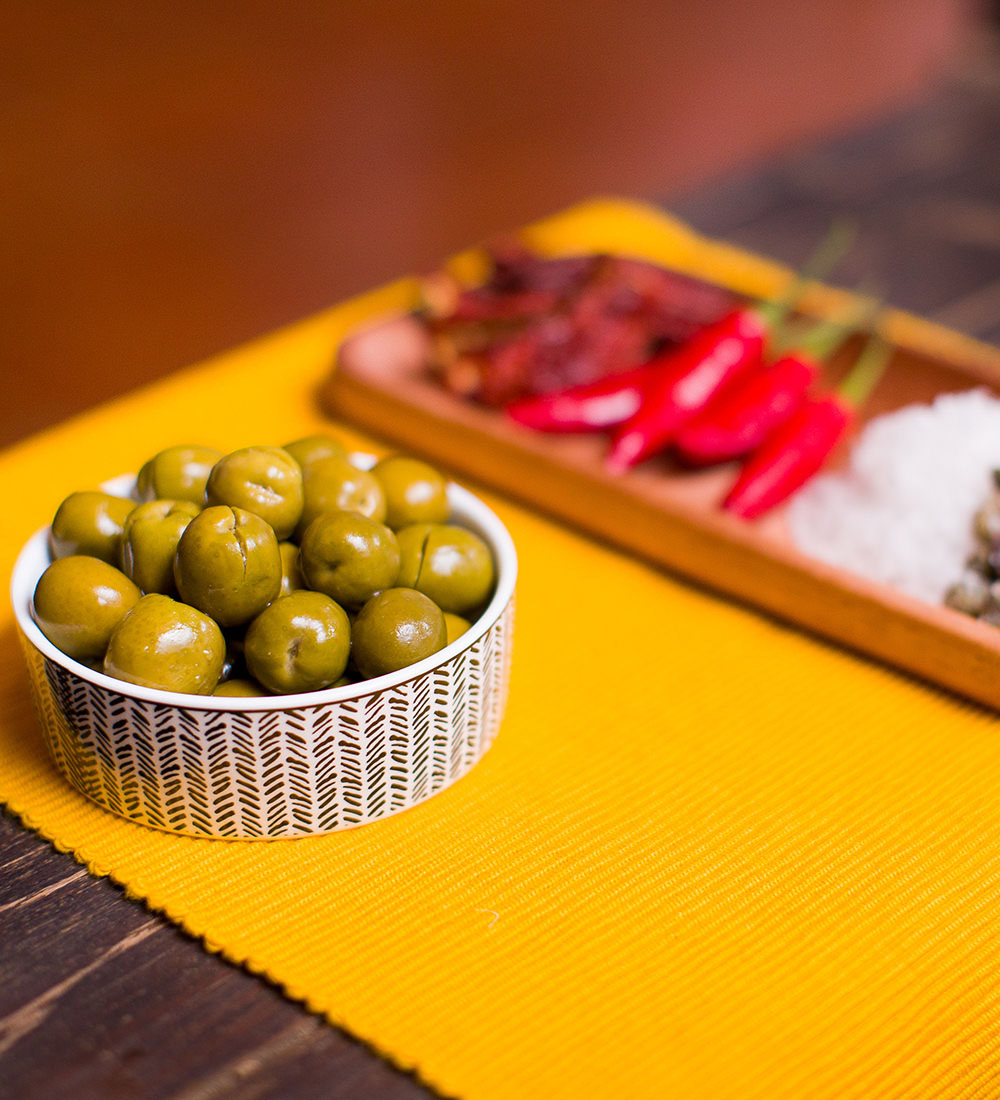
Olive Verdi al Naturale
Ideali per arricchire insalate o antipasti rustici
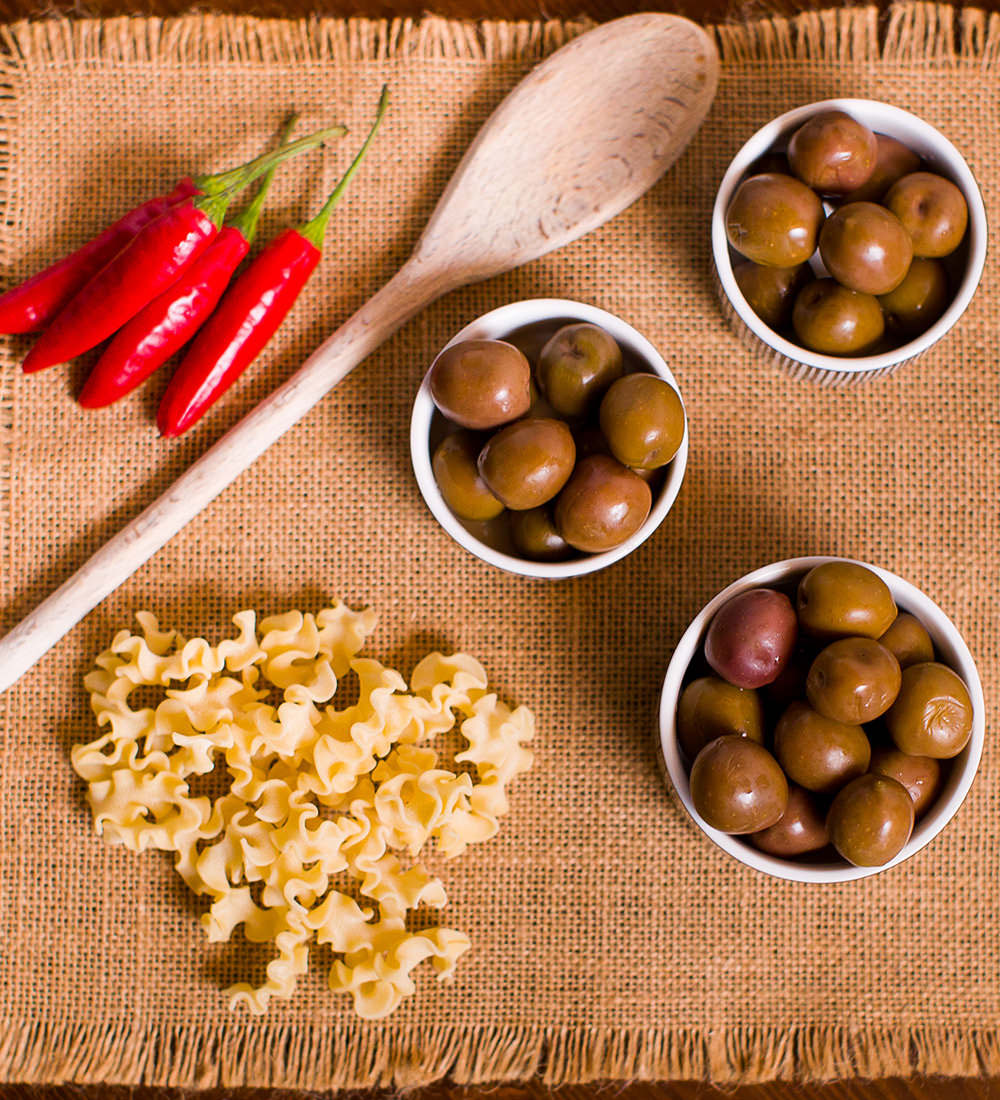
Olive Nere al Naturale
Per aperitivi gustosi a base di salumi e formaggi e guarnire tartine e antipasti
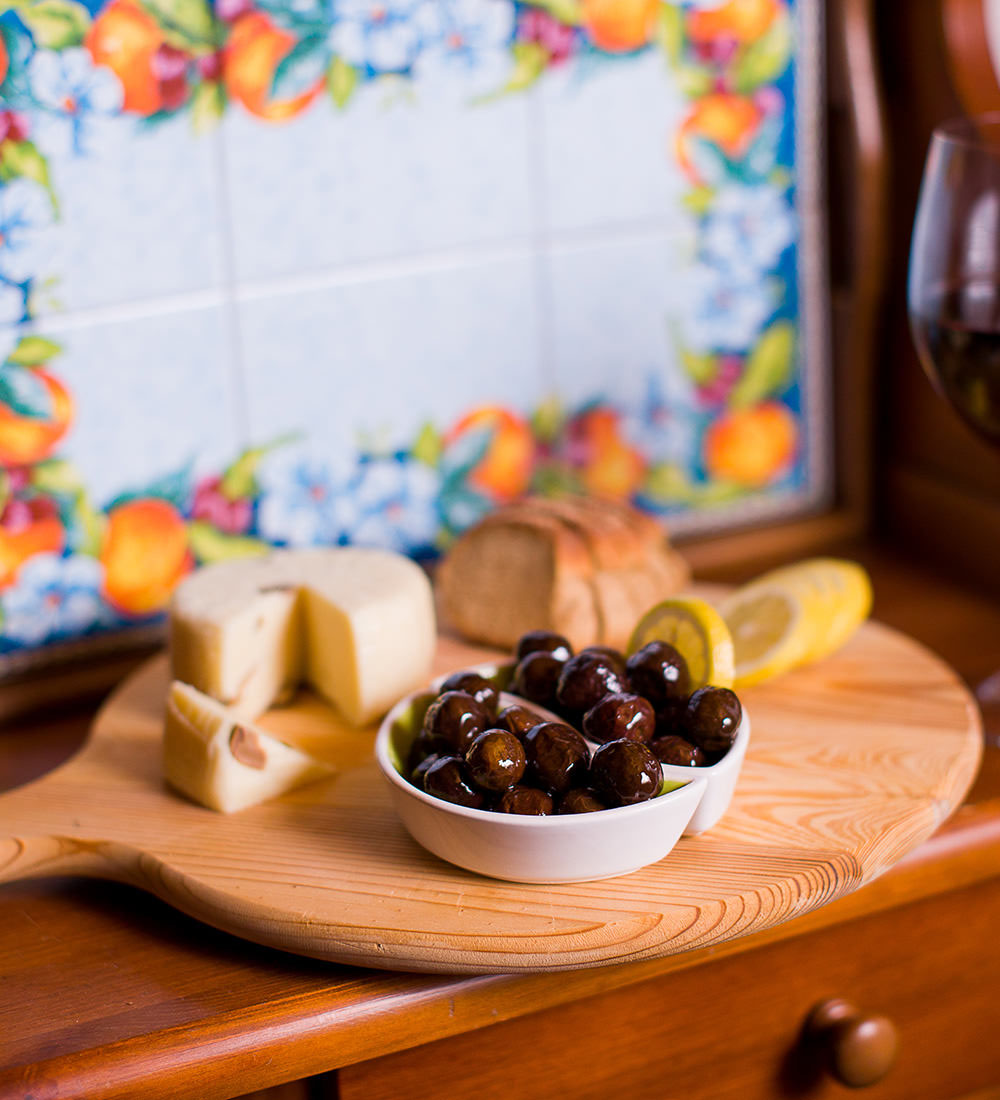
Olive Nere al Forno: I Passuluna
Per arricchire aperitivi, antipasti o insalate, sughi prelibati o secondi saporiti.
How does the Nocellara del Belice differ
ALL THE CHARACTERISTICS OF THE MOST GOOD OLIVE IN THE MEDITERRANEAN
Nocellara del Belice olives grow in the Belice valley, located along the south-western coast of Sicily and dominated by the ancient temples of Selinunte, since the times of Magna Grecia (VII century BC). 
The red earth, the scent of the sea and the Mediterranean climate enhance the precious and distinctive characteristics of these olives:
- shape: spherical;
- taste: full, fruity, with a pleasant bitter note;
- pulp: crunchy that detaches easily from the core;
- organoleptic properties: it has a very balanced content of fatty acids and is particularly rich in fiber dietetic with high digestibility, which helps to regulate the functioning of the digestive system and to prevent the onset of disease. It also contains polyphenols , substances with high antioxidant properties; they are also a good source of mineral salts and vitamins ;
The harvest, which takes place in October, is done strictly but no , to preserve the integrity and quality of the fruit.
